


Institute for Sustainable Transition and Development performs theoretical, experimental and applies research in the field of natural, engineering and social sciences, directed to the creation of new knowledge or applied science products, including services and public-private partnerships, as well as to development of guidelines for university education at bachelor, masters and doctoral level.
The main aim of the Institute is to contribute to the transformation of the agricultural model in the regions affected by the energy transition, as well as to meeting the goals for low carbon and carbon-neutral economy at a regional and national level.
INSTITUTE FOR SUSTAINABLE TRANSITION AND DEVELOPMENT
Key directions in the activity of our institute
 prof. Miroslav Karabaliev
Chairman of the Management Board
prof. Miroslav Karabaliev
Chairman of the Management Board
Our mission and values
Enhancement of the high-tech low-carbon energy and industrial transition in the region and the country by facilitating investment in new industries that will lead to significant economic transformation
Active and consistent applied research activities aimed at the development and commercialization of applied developments, with a view to establishing the region as a leading research center in the field of high technology
Systematic development of a sustainable creative scientific environment, aimed at building a scientific community, discovery, promotion and validation of talents, implementation of doctoral and post-doctoral programs
Core projects
Projects

Analysis and research
Drafting economic analyses, project justifications, strategies and scenarios for development, pilot and long-term program financing in accordance with the national and regional priorities and commitments. Joint studies with the social partners on the social effects of the transition to new technologies. Development of financial and economic models, providing the potential for commercialization of the targeted applied research activities.

Circular economy
Exploring the possibilities and developing conditions for attracting investment projects, addressing the available local resources and maximizing the potential for complex added value.

Technologies and systems
Hydrogen production, storage and transmission systems, hydrogen fuel systems, industrial technologies using hydrogen as a raw material, hydrogen electromobility and supply infrastructure, hydrogen technologies for energy storage, energy production and power system management.
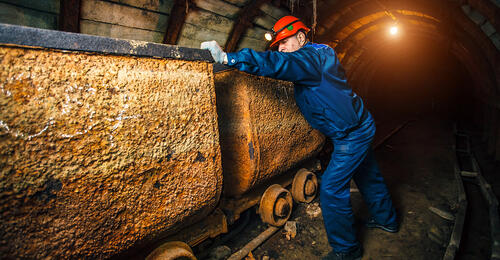
Coal mining conversion
Geological and landscape studies of mining terrains to search for opportunities for CO2 storage, water yield for hydrogen production, geothermal sources, etc.

Carbon-neutral environment
Development of projects for a new integrated energy architecture of the urban environment, including low-emission installations for heating and electricity generation for households and public buildings (hydrogen cells, solar installations, geothermal energy, heat pumps, gas consumption, etc.)

Bioeconomics, agri-energy
Agri-energy, development and synthesis of biofuels, gasification of biowaste, combined solutions, incl. power generating capacities and agricultural activities.
Contact us
Contact Us Now
If you have questions or ideas to share, contact us.
Our partners

|

|

|
|
|

|
|

|

|

|

|

|
What do thay say about us
Publications and feedback
-
Правителството одобри откриването на Институт за устойчив преход и развитие в структурата на Тракийския университет - Стара Загора. Предвижда се в новата структура да се извършват фундаментални и приложни изследвания в приоритетни за университета и държавата области на науката. Той ще обединява работата на изследователски групи в три сектора: „Икономически анализи и проекти“, „Селско стопанство и биотехнологии“ и „Минно дело и енергийни системи“, които ще работят по проекти от национални и международни научни програми, ще изготвят прогнози и стратегии за развитието на регионалната и националната икономика.

DarikNews Sofia
-
Ректорът на Тракийски университет - Стара Загора доц. д-р Добри Ярков участва в националната онлайн дискусия "Зелена България" в Национален план за възстановяване и устойчивост“. Университетите са тези структури, които трябва да помогнат с кадрова осигуреност за бъдещето, а този проект е един уникален шанс наистина да се преобрази българското земеделие, най-вече в областта на дигитализацията, където тотално изоставаме, коментира ректорът на старозагорското висше училище.
DarikNews Sofia
Our Strengths
The activity of the Institute is related to providing coordination and participation on the initiatives directed to the development of regions in low-carbon transition.
-
Well defined targets
-
Team of inspired specialists
The Institute for Sustainable Transition and Development as a main research unit within the structure of Trakia University – Stara Zagora acts in partnership with other higher schools, the municipal authorities, national representative organizations of employers and workers and employees, external independent experts, small and middle-sized enterprises, businesses, companies, state administrations.
-
Main sectorial directions
The Institute unites the work of research groups into three sectors: “Economic Analyses and Projects”, “Agriculture and Biotechnologies”, “Mining and Energy Systems” in order to participate in national and international projects and programmes, implementation of consulting projects and the created scientific results.

One big family
OUR TEAM
The team of the institute comprises professionals prominent in their field.
View the team
Assist. Prof. PhD Violetka Zheleva
Technical personnelAssist. Prof. PhD Violetka Zheleva is a technical assistant at the Institute for Sustainable Transition and Development. She is currently a participant in two university projects and in the National Project…
Assist. Prof. PhD Violetka Zheleva
Assist. Prof. PhD Violetka Zheleva is a technical assistant at the Institute for Sustainable Transition and Development. She is currently a participant in two university projects and in the National Project "Young Scientists and Postdoctoral Fellows". Active researcher in the Department of Regional Development at the Faculty of Economics since the beginning of his doctoral studies until now.